How a Roof Insurance Claim Works, Step by Step
Filing a claim for hail or wind damage feels like paperwork you've never done, so here's how the process actually runs.
October 1, 2026 · 4 min read
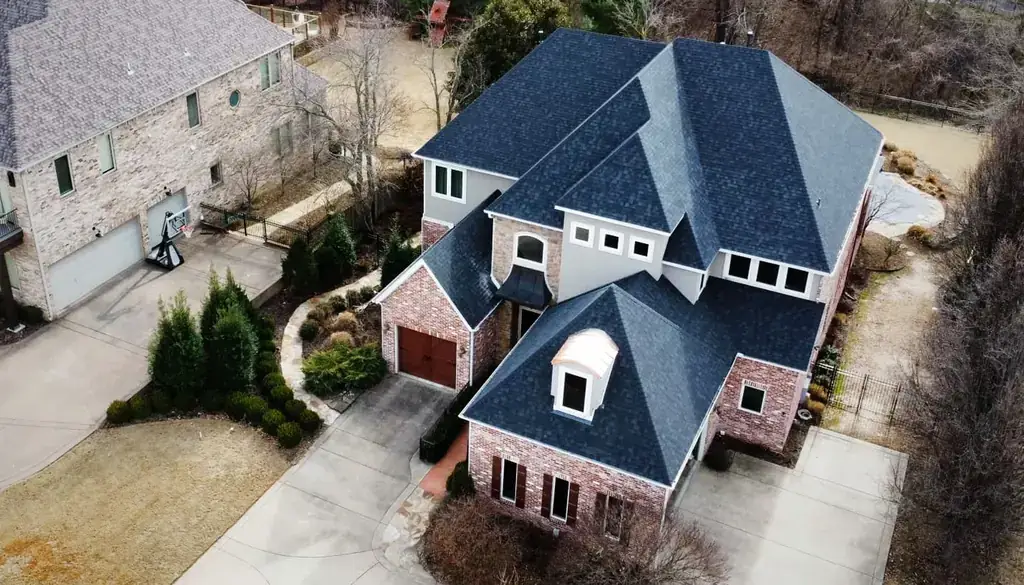
Most homeowners never file a roof claim until a storm forces the issue, and then they're handed a process with its own vocabulary and a lot of waiting. It's not as mysterious as it feels. The steps are fairly consistent, and knowing what each one is for makes the whole thing less stressful. Here's how it runs at Superior Roofing, with plain-language explanations of the trade terms that come up along the way.
Step one: the inspection and the photos
Everything starts with someone looking at the roof. At Superior, you call, book an appointment online, or fill out the contact form, and a Project Manager comes out to your home. You get access to every photo from the assessment, and the Project Manager goes through them with you. That last part matters. You should see the same damage your contractor sees, not just be told about it.
This is also where documentation begins. In roofing, documentation just means a record that shows what the damage is and where it is: dated photos, close-ups of damaged areas, wide shots of each slope, and notes on what was found. A good record makes it hard to dispute that a storm did the damage, and it saves everybody from arguing over memories later.
Step two: filing the claim
Next comes the part many people dread. You file the claim with your insurance company, which usually means a phone call or an online form, plus the date of the storm and a description of what happened. Superior's process has them right by your side to talk you through filing the claim, so you're not guessing at what to say or which photos matter. You still file it, because the policy is yours, but you're not doing it blind.
Before you call, it helps to read your policy or ask your agent a couple of questions. Does your policy carry a separate deductible for wind and hail? Is that a flat amount or a percentage of the home's coverage? Those details vary between policies and between insurers, and only your insurer can answer them for your house. Write down the claim number you're given, along with the name of anyone you talk to.
Step three: the adjuster
After the claim is filed, the insurance company sends an adjuster, whose job is to inspect the roof and decide what the policy covers. Adjusters look at the same things a roofer does: the condition of the shingles, signs of hail bruising or wind creasing, damaged flashing, vents and gutters, and anything that points to the date of the storm. They take their own photos and measurements, and they write up what they find.
Superior's Project Managers meet with the adjuster to get a recommendation. Having your roofer there is useful because they know what to point out and which areas an adjuster might not get up to. It also means the conversation about what needs repair happens in front of someone who looks at roofs every day. If you can be there too, go. Ask questions, and don't be shy about it.
Step four: the estimate and the plan
Once the adjuster's findings are in, the insurer produces an estimate. Superior says to expect it within 7 to 10 days. An estimate is the insurer's figure for repairing or replacing the damage, itemized by the work involved. It's a starting point, not a final verdict. If your roofer sees damage the estimate appears to have missed, they can often ask the insurer to take another look, and your Project Manager can handle that back-and-forth for you.
When the estimate arrives, Superior meets with you to talk through the repairs and prepare a timeline. That's when you settle on shingle options, colors and any extras, and when you learn when the crew can start. Weather, material availability and the crew's schedule all shape the date, so ask for a realistic window instead of a promise.
Step five: the work itself
The last step is the part you can see. The crew comes out and does the repair or replacement. Superior uses its own crews, which means no strangers will have hands on your home. Expect the yard to be cleaned up at the end of the job, and walk the finished roof with your Project Manager from the ground so you can ask about anything that looks off.
If you think a storm hit your roof and you aren't sure where to begin, a free inspection with a photo report is a no-pressure way to find out. Call Superior Roofing's Springdale office at (479) 684-6060, Monday through Friday, 8:00 AM to 4:00 PM, and a Project Manager will set up a visit.
Superior Roofing, (479) 684-6060
Call (479) 684-6060More articles
What to Do After Hail or Wind Hits Your Northwest Arkansas Roof
The first few days after a storm shape everything that follows, and most of the smart moves happen with both feet on the ground.
Asphalt, Metal or Slate: Choosing a Roof for a Northwest Arkansas Home
Three materials, three different personalities: what each one does well and what to ask before you pick.